

A few months ago, I stayed up late reviewing chat transcripts from an ecommerce brand that couldn’t understand why sales were slipping. Within minutes, the problem was obvious. Delayed replies, confusing answers, and missed messages during peak hours. It was a textbook example of how customer service for ecommerce often falls apart quietly, long before anyone notices.
I’ve seen this pattern across so many online businesses I’ve worked with. Customers aren’t just buying products anymore. They’re buying clarity, speed, and reassurance. When they don’t get it, they click away to a competitor without a second thought.
I’ve personally struggled with the same issues — overflowing inboxes, frustrated shoppers, support teams drowning in repetitive questions. But I also learned that these challenges aren’t signs of failure. They’re signals calling for better systems.
In this guide, I’ll share the best ecommerce customer service strategies I’ve used to help ecommerce teams transform support into a real growth engine. So stay tuned!
What Is Ecommerce Customer Service?
Ecommerce customer service is the support you provide to shoppers before, during, and after they make a purchase online. It includes answering product questions, resolving order issues, handling returns, managing refunds, and guiding customers through their buying journey.
Unlike traditional retail, everything happens digitally, so the experience has to feel simple, fast, and reliable. Great ecommerce customer service removes friction, builds trust, and keeps customers coming back even when competitors are just a click away.
It’s about combining helpful people, clear processes, and the right tools, such as live chat, to make every interaction smooth and reassuring for the shopper.
Want to 3x online sales? Watch this short video to learn how live chat can boost ecommerce sales.
8 Best Practices for Delivering Great Ecommerce Support
Providing great eCommerce support isn’t just about fixing problems. It’s about creating an experience that feels easy, helpful, and stress-free for every customer.
Here are eight simple ecommerce customer service best practices that can help you deliver support shoppers actually appreciate.
1. Offer Support on Multiple Channels
Customers reach out from all kinds of places, so it helps to be available wherever they feel most comfortable. Some prefer email, while others want quick replies through social platforms, and many rely on live chat when they need answers quickly. You don’t need to be everywhere at once, but offer enough options so customers never feel stuck.
The goal is to make support feel natural and accessible at every step of their buying journey, and tools like live chat can help tie everything together for smooth omnichannel support.
2. Respond Quickly
Speed really matters in ecommerce because customers often reach out when they’re trying to make a decision or fix an issue before it becomes a deal-breaker. A help desk makes this easier by keeping every conversation in one place, automatically assigning tickets, and helping your team prioritize urgent requests so that nothing slips through the cracks.
Even a quick acknowledgment can reassure customers that you’re on it. When shoppers get fast and clear responses, they feel confident sticking with your brand instead of looking elsewhere for answers.
3. Keep Your Knowledge Base Updated
Customers appreciate the ability to resolve simple issues independently, especially when they can find answers in a clear and easy-to-understand knowledge base. The more accurate and organized your articles are, the fewer repetitive questions your team has to handle. Ensure that you regularly update guides, policies, and troubleshooting steps to prevent customers from being left to guess.
When people can quickly find what they need, it boosts trust and reduces frustration, which naturally leads to fewer support tickets over time.
4. Personalize Every Interaction
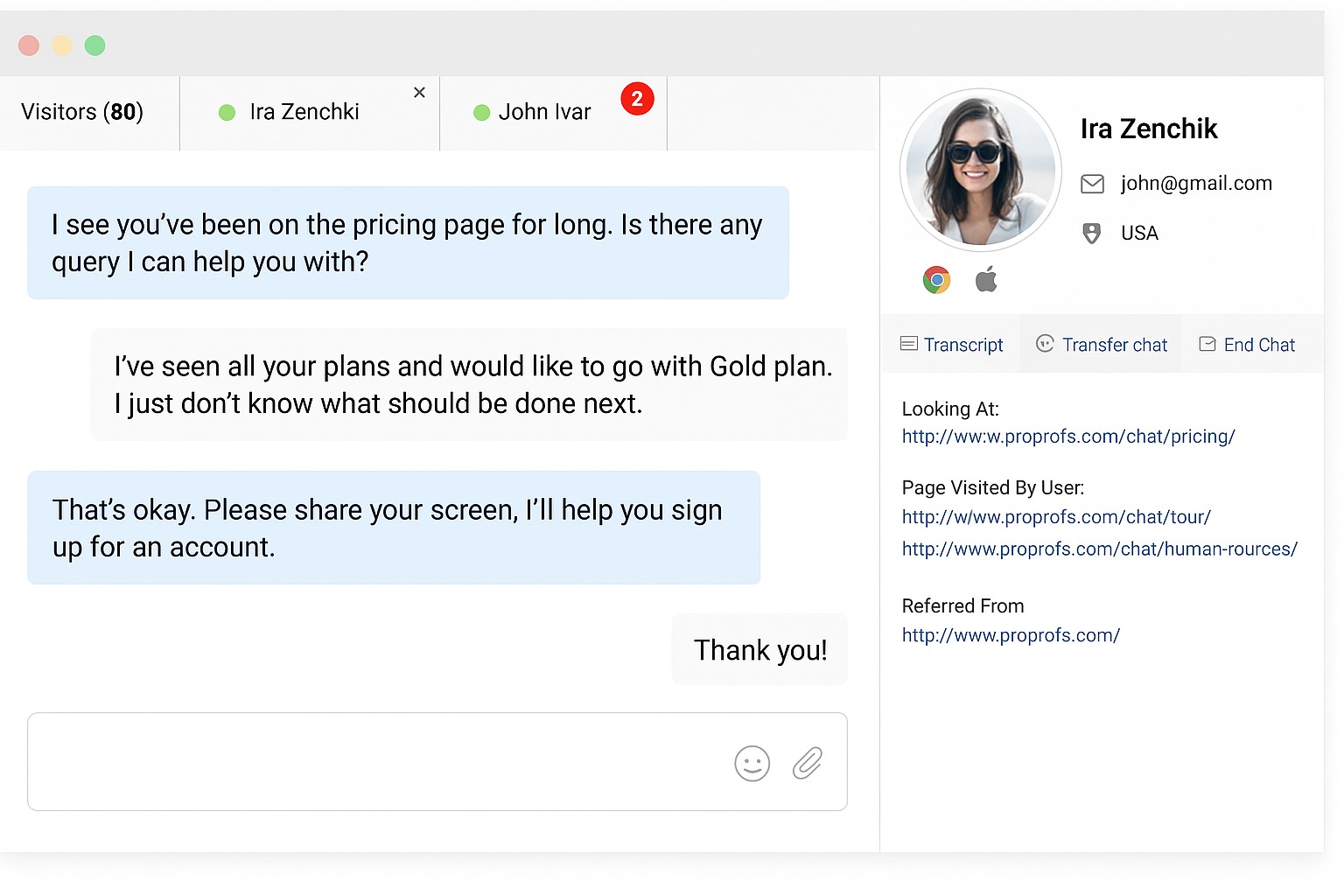
Customers want to feel like they’re talking to someone who genuinely understands their situation, not someone reciting a generic script. Personalizing interactions with order details or past conversations makes support feel more human. This becomes even more effective in live chat since responses feel immediate and conversational.
For instance, features like real-time visitor tracking in live chat help your team see what pages a shopper is browsing, making it easier to guide them with context. Little touches like using their name or referencing earlier issues help customers feel valued. Thoughtful personalization shows you’re paying attention, which strengthens loyalty and encourages repeat purchases.
5. Share Updates Proactively
In ecommerce, going quiet during a problem can frustrate customers quickly. Keeping them updated about delays, stock issues, or shipping changes helps avoid confusion before it starts. Proactive communication turns tense moments into an opportunity to demonstrate your dependability.
Most customers don’t expect perfection, but they do appreciate honesty, even when the update isn’t great. A simple message like “Your package is running late, but here’s what we’re doing” shows you’re taking responsibility and genuinely care about their experience.
6. Train Your Support Team Well
Your support team is the voice of your brand, so they need solid training on products, policies, and common issues. When agents know what they’re talking about, customers pick up on that confidence right away. Make training an ongoing process instead of a one-time event, so your team stays up to date as your business grows.
Along with training your team, it also helps to regularly train your chatbot using your knowledge base or website data so it can handle routine questions more accurately.
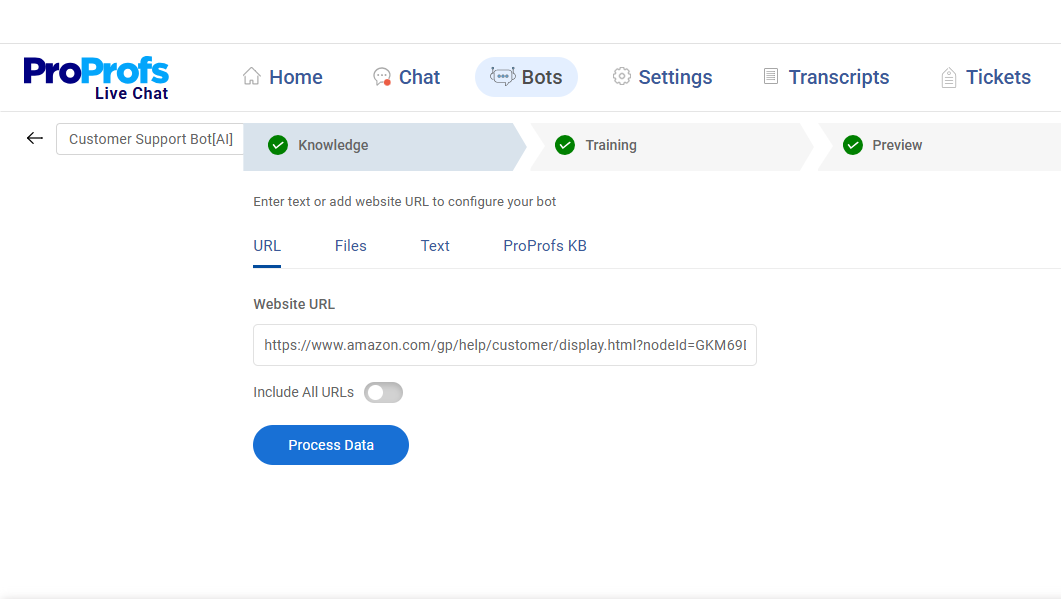
A well-trained team and chatbot can turn even difficult situations into positive outcomes, and if you’re exploring chatbot improvements, you might find it helpful to read a guide on how to train a chatbot with your own data.
7. Make Returns and Refunds Simple
A complicated return process can deter customers, even if your products are excellent. Clear instructions, easy steps, and quick resolutions can turn an unpleasant situation into a surprisingly smooth experience. Customers appreciate it when you make things simple rather than forcing them to jump through hoops.
Be upfront about timelines and expectations to avoid confusion. A smooth return or refund process builds trust and makes shoppers more likely to return instead of switching to another brand.
8. Collect Feedback and Improve
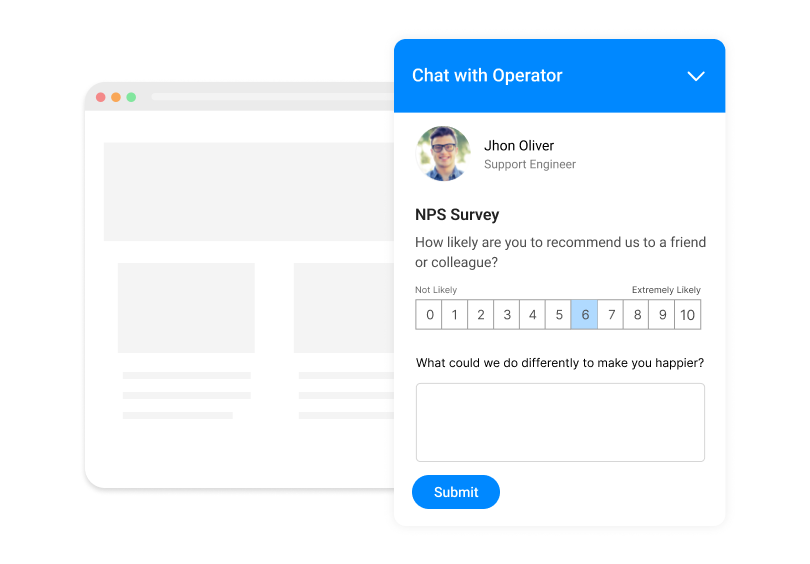
Customer feedback is one of the easiest ways to understand what’s working and what isn’t. Ask for quick input after support interactions, whether it’s a short post-chat survey or a simple follow-up question, and look for patterns you can fix or improve. You don’t have to overhaul everything at once because small improvements add up.
When customers see their suggestions being taken seriously, it builds loyalty and shows you genuinely care. Over time, this steady feedback shapes better processes, communication, and results.
Why Customer Service Matters in Ecommerce
Customer expectations in ecommerce keep rising, and every interaction shapes how shoppers see your brand. Strong customer service does more than solve problems. It builds trust, reduces friction, and often determines whether customers buy or walk away.
The reasons below highlight why customer support for ecommerce businesses is essential for any brand looking to grow.
1. Builds Trust and Reduces Purchase Anxiety
Online shoppers often hesitate when they cannot physically inspect a product. Helpful customer service bridges that gap by answering questions quickly and reassuring buyers at the right moment. Indeed, one report found that 60% of consumers said their expectations for online experience quality had risen in just the past year. When customers feel confident and informed, they’re more likely to complete their purchase and less likely to abandon their cart.
2. Boosts Customer Loyalty and Repeat Purchases
Ecommerce brands grow fastest when customers return, and great service plays a huge role in that. When shoppers feel genuinely supported even after the sale, they enjoy coming back. A smooth resolution experience stays with them and builds loyalty. Loyal customers spend more, buy more often, and can even become advocates for your brand.
3. Improves Brand Reputation and Word of Mouth
People often talk about good service, but they also talk even more about bad experiences. In ecommerce, where competition is high and options are many, reputation matters. When customers consistently receive helpful and friendly support, they are more likely to leave positive reviews and recommend your store to others. This sets your brand apart and attracts new buyers through organic word-of-mouth.
4. Lowers Return Rates and Support Costs
Clear guidance and fast issue resolution help customers make informed decisions, reducing mistakes that lead to returns. The average ecommerce return rate in the U.S. reached approximately 16.9% in 2024, meaning that nearly one in six online orders is returned, a strong signal that expectations or support might be misaligned. When service teams proactively help customers with sizing, product details, or troubleshooting, it naturally lowers return rates and saves both time and money for the business.
5. Creates a Personalized Shopping Experience
Customers value feeling seen and heard in a digital world. When support teams offer tailored recommendations or remember past interactions, it makes the experience feel personal. This personalization isn’t just pleasant; it boosts conversions and loyalty. A customer who feels understood is far more likely to trust your brand and make repeat purchases.
Common Ecommerce Customer Service Mistakes to Avoid
Small customer service mistakes can quickly snowball in ecommerce, especially when shoppers expect prompt responses. Understanding these common errors is an important part of learning how to improve ecommerce customer service.
Here are a few pitfalls to watch for and simple ways to stay ahead of them.
| Common Mistake | How to Avoid It |
|---|---|
| Slow Response Times | Set clear response-time goals and use tools like a help desk or live chat to stay organized and reply faster, so customers never feel ignored. |
| Giving Generic or Scripted Answers | Personalize responses using order history, past chats, and well-trained chatbots so every interaction feels human and relevant. |
| Not Offering Self-Service Options | Keep your knowledge base updated with FAQs, how-tos, and product guides to help customers find answers instantly without waiting for support. |
| Ignoring Negative Feedback | Regularly review feedback from emails, surveys, and chat interactions to spot patterns early and fix recurring issues. |
| Poor Communication During Delays | Send proactive updates about delays, shipping changes, and backorders to keep customers informed and maintain trust. |
| Complicated Return and Refund Processes | Provide clear return instructions, simple steps, and transparent timelines so customers know exactly what to expect. |
FREE. All Features. FOREVER!
Try our Forever FREE account with all premium features!
Offer Delightful Support to Boost Online Sales
Improving customer service in ecommerce comes down to being available, responsive, and genuinely helpful at every stage of the customer journey. When shoppers feel taken care of, they stay longer and buy more.
If you’re exploring practical ways to improve ecommerce customer experience, start by tightening response times, keeping your FAQs updated, and personalizing every interaction. Train your team well, communicate proactively, and make returns as simple as possible. Small improvements made consistently can transform the entire experience.
And if you want a reliable way to offer fast, friendly support, ProProfs Chat is a great option to connect with customers when they need you most.
FREE. All Features. FOREVER!
Try our Forever FREE account with all premium features!

 We'd love your feedback!
What did you like & how can we make it even better?

 Thanks for your feedback!
 Ask Your Question
Have a question? Get expert help to make your decision easier.